Tofu has a reputation problem it doesn't deserve — similar to most plant proteins, which the [protein myths debunked](/article/protein-myths-debunked) article covers in full.
Most people's first experience with it is a sad, watery cube that tastes like nothing and has the texture of a wet sponge. That version exists — but it only happens when you don't know the technique. Learn the technique, and tofu becomes one of the most versatile, satisfying proteins in your kitchen.
Here are five methods that actually work. Pick one, try it tonight.
Key Takeaway
Press your tofu for at least 15 minutes to remove moisture, then cook over high heat with a thin layer of oil until golden on each side. Dry tofu and a hot pan are the only two things that stand between you and perfectly crispy tofu every time.
First: Press Your Tofu
Before any method, this step matters. Tofu is packed in water, and water is the enemy of good texture. Drain the block, wrap it in a clean towel, set something heavy on top (a cast iron pan, a stack of plates), and let it sit for 15–30 minutes. You'll be shocked how much water comes out.
If you skip pressing, every method below will give you softer, less flavorful results.
Method 1: Pan-Fry
The workhorse. This gives you golden, crispy-edged cubes that work in everything from stir-fry to salads.
Cut pressed firm tofu into 1-inch cubes. Heat 2 tablespoons of oil in a non-stick or well-seasoned cast iron pan over medium-high heat. Add the tofu in a single layer — don't crowd the pan. Cook without touching for 3–4 minutes until a golden crust forms, then flip and repeat on all sides. Season with soy sauce in the last minute.
Result: Crispy outside, creamy center. Best all-purpose method.
Method 2: Bake
Hands-off and perfect when you're making a full meal. The oven does the work while you do everything else.
Preheat to 400°F (200°C). Toss pressed tofu cubes with a tablespoon of oil, soy sauce, garlic powder, and a little cornstarch (this is the crispiness secret). Spread on a parchment-lined baking sheet in a single layer. Bake 25–30 minutes, flipping halfway through.
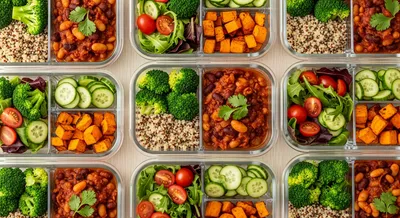
Result: Chewy, slightly crispy, deeply savory. Great for [buddha bowls and meal prep](/article/5-day-buddha-bowl-meal-prep).
Method 3: Air-Fry
Same idea as baking, faster results. If you have an air fryer, this is the method you'll use most.
Toss pressed tofu cubes with oil and seasoning just like the bake method. Air-fry at 375°F (190°C) for 15 minutes, shaking the basket halfway. No cornstarch needed — the circulating air handles the crisping.
Result: Crispier than baking in half the time. Addictively snackable straight from the basket.
Method 4: Scramble
This is your egg-free breakfast move. Use soft or medium tofu and don't press it — you want some moisture here.
Crumble the tofu directly into a hot, oiled pan. Let it cook undisturbed for 2 minutes to get some color, then stir. Add turmeric (for color), garlic powder, onion powder, salt, and a splash of nutritional yeast if you have it. Cook another 3–4 minutes until heated through with some golden bits.
Result: Protein-packed scramble that works for breakfast burritos, [high-protein grain bowls](/article/high-protein-plant-based-breakfast), or on its own.
Method 5: Press and Marinate
This unlocks tofu's real superpower: it absorbs flavor completely when given time.
After pressing, cut into slabs or cubes and marinate for at least 30 minutes (overnight is better). A basic marinade: soy sauce, garlic, ginger, sesame oil, a little maple syrup. After marinating, pan-fry or bake as above.
Result: Tofu that actually tastes like something. This is the method that converts skeptics.
Which Tofu to Buy
- Silken: Smooth, delicate. For smoothies, sauces, desserts — not for cooking in a pan.
- Soft: Gentle texture. Best for scrambles and soups.
- Firm: The standard for most methods. Press it.
- Extra-firm: Least water content. Best for air-frying and pan-frying. Skip pressing if you're short on time.
The Real Secret
Tofu tastes like what you put on it. It's not bland — it's a blank canvas. Once you know how to remove the water and add heat correctly, it becomes one of the most adaptable ingredients you'll cook with. The five methods above are the whole playbook. Start with pan-fried. Make it twice before you judge it.