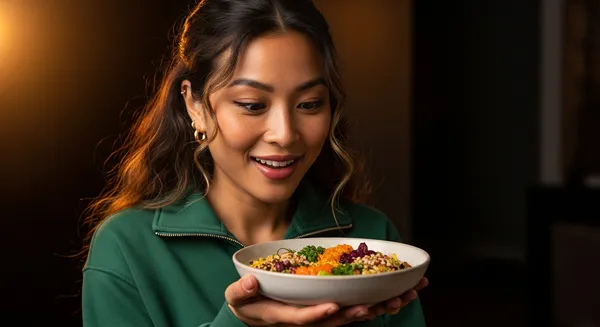
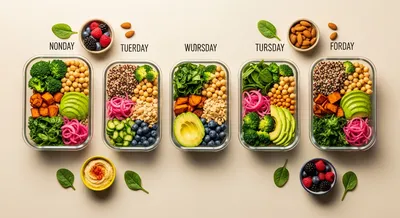
A buddha bowl is really just permission to put all your favorite things in a bowl together and call it a meal. Which sounds simple, but once you actually start doing it, you realize: this is how eating should work. If you want a deeper dive into marinated tempeh as a protein option for your bowls, the [edamame and tempeh protein bowl](/article/edamame-and-tempeh-protein-bowl) is the bowl that changed how I think about plant protein entirely.
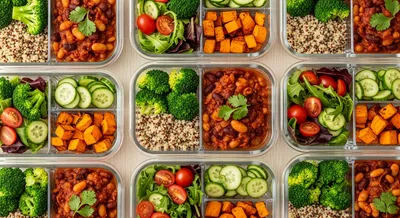
I meal prep buddha bowls almost every Sunday. It takes about an hour, it covers my lunches for the entire week, and every bowl looks and tastes different even though they're built from the same ingredients. That's the magic of the format — it's flexible by design.
Key Takeaway
One hour of Sunday buddha bowl meal prep produces five different, satisfying lunches from the same base: a cooked grain, roasted vegetables, a plant protein, and a sauce. The format is flexible by design — you can vary the sauce and toppings daily so no two bowls taste the same.
What Makes a Great Buddha Bowl
A good buddha bowl has five components working together:
- A grain — brown rice, quinoa, farro, or even roasted sweet potato for something lighter
- A protein — roasted chickpeas, edamame, lentils, or marinated tempeh
- Roasted vegetables — whatever's in season or on sale
- Something fresh — raw greens, cucumber, shredded red cabbage, or fresh herbs
- A sauce — this is what ties it all together
When you have these five components prepped and waiting in the fridge, you can mix and match all week and never eat the same bowl twice.
The Sunday Prep Plan
Grains: Cook 2 cups of quinoa according to package directions (this yields about 4 cups cooked). Quinoa is my preference because it's higher in protein than rice and cooks in 15 minutes — one of the few grains that's also a complete protein, which makes the [protein myths about plant eating](/article/protein-myths-debunked) much easier to address at lunch.
Roasted vegetables: Chop 2 sweet potatoes, 1 head of broccoli, and 1 zucchini into bite-sized pieces. Toss with olive oil, salt, cumin, and smoked paprika. Spread across two sheet pans and roast at 425°F for 25 minutes, tossing halfway through. The high heat is important — you want caramelization, not steaming.
Protein: Drain and rinse 2 cans of chickpeas. Pat them dry (this is important for crispiness). Toss with olive oil, garlic powder, paprika, and a pinch of cayenne. Roast at 400°F for 30 minutes until crispy. They'll soften a bit in the fridge, but they're still delicious cold.
Fresh elements: Prep a head of red cabbage (thinly shredded), 2 cucumbers (sliced), and a large bag of mixed greens. Keep these stored separately and add them fresh each day.
Sauce: Whisk together 3 tablespoons tahini, juice of 1 lemon, 1 clove garlic (minced), 1 teaspoon maple syrup, and enough water to reach a drizzleable consistency. This sauce keeps in the fridge for a week and makes everything taste more intentional. Tahini is one of the most useful things you can keep in your kitchen — see the full [plant-based pantry essentials list](/article/plant-based-pantry-essentials) for everything else worth stocking.
Assembling the Bowls
When it's time to eat, this takes literally two minutes. Scoop quinoa into a bowl. Add a portion of roasted vegetables and chickpeas. Add a handful of fresh greens and some cabbage or cucumber. Drizzle the tahini sauce generously over everything.
Each bowl is around 500-600 calories with 18-22 grams of plant protein and over 10 grams of fiber. It's a complete, satisfying meal.
Variation Ideas
The components I listed are a framework, not a rule. Some combinations I love:
- Swap quinoa for brown rice and add a spoonful of miso-ginger dressing instead of tahini
- Use roasted beets and carrots with a lemon-herb dressing
- Add sliced avocado and use a lime-cilantro vinaigrette
- Top with pickled red onion for brightness
The goal is to keep it interesting so you actually look forward to lunch instead of just tolerating it.
Storage
Grains, roasted vegetables, and chickpeas all keep well in separate airtight containers for 4-5 days. Keep fresh elements separate. Store the sauce in a small jar.
One hour on Sunday. Five genuine lunches. That's the whole deal — and it's one of the best habits I have. To take this further and build dinner coverage too, the [3-bean Sunday meal prep](/article/3-bean-sunday-meal-prep) pairs perfectly with this framework — one pot of beans while the bowls roast.