I'm going to settle something right now.
You don't need cashews to make creamy pasta. You don't need to soak anything overnight. You don't need a high-speed blender or a complicated sauce. You need six ingredients, a pot, and 20 minutes.
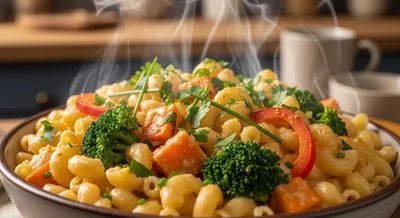
This is the recipe I reach for when I want something genuinely satisfying but don't have the patience for anything elaborate. Tahini-based cream sauce, penne or rigatoni, done. It's rich, it coats the pasta properly, and it tastes like you spent far more effort than you actually did.
Key Takeaway
A creamy plant-based pasta sauce requires no soaking, no blender, and no cashews — just tahini whisked with pasta water, lemon, and garlic for a sauce that is rich, silky, and ready in 20 minutes. The starchy pasta water is what emulsifies the tahini into a smooth, coating sauce.
Why Tahini Works Here
Tahini is ground sesame paste — the same stuff in hummus. It has a natural creaminess that emulsifies beautifully when you add pasta water and a hit of acid. The result is a silky, sauce that clings to every piece of pasta without a single drop of cream.
One tablespoon of tahini has 2.5 grams of protein, 7 grams of fat (mostly unsaturated), and a rich, nutty depth of flavor that cashew cream doesn't have. It also costs less and keeps for months in your fridge.
If you've only ever used tahini for hummus — it's one of the [plant-based pantry essentials](/article/plant-based-pantry-essentials) worth stocking — this recipe will change how you shop.
What You Need
Six ingredients. That's it.
- 250g (about 9 oz) pasta — penne, rigatoni, or fusilli
- 3 tbsp tahini
- 2 tbsp lemon juice (roughly 1 lemon)
- 3 garlic cloves, minced
- Salt and pepper to taste
- Fresh herbs to finish — parsley, basil, or chives
Estimated Nutrition
Per serving (1 serving (½ of recipe))
- Calories480
- Protein16g
- Carbs72g
- Fat14g
- Fiber6g
Estimates based on ingredients. Values may vary.
That's the core. Optional but worth it: a pinch of red pepper flakes, a handful of baby spinach stirred in at the end, or a drizzle of good olive oil to serve.
The Method
Bring a large pot of well-salted water to a boil. Cook the pasta until just al dente — you want it with a little bite, since it'll continue cooking briefly in the sauce. Before you drain it, scoop out about 1 cup of the pasta water. This is important — that starchy water is what makes the sauce come together.
While the pasta cooks, heat a splash of olive oil in a pan over medium heat. Add the minced garlic and cook for 60 seconds until fragrant. Don't let it brown.
In a bowl or directly in the pan, whisk together the tahini, lemon juice, and about half a cup of the reserved pasta water. The mixture will seize up and look grainy for a second — keep whisking. It'll smooth out into a creamy, pourable sauce. Add more pasta water as needed to reach the consistency you want.
Drain the pasta, add it directly to the pan with the garlic, pour the tahini sauce over everything, and toss. The residual heat of the pasta finishes the sauce. If it's too thick, add another splash of pasta water. Season well with salt and pepper.
Finish with fresh herbs and serve immediately.
20 Minutes, Every Time
Here's the actual timeline:
- Minutes 0–2: Boil water (use an electric kettle to speed this up), mince garlic
- Minutes 2–12: Cook pasta, sauté garlic
- Minutes 12–15: Whisk together the tahini sauce using pasta water
- Minutes 15–20: Toss, season, plate
The hands-on time is maybe 8 minutes. The rest is just waiting for water to boil.
Nutrition Highlights
Per serving (based on 2 servings):
- Calories: ~480
- Protein: ~16g (pasta + tahini)
- Fiber: ~6g
- Fat: ~14g (primarily unsaturated)
- Iron: ~20% DV from tahini and pasta
This isn't a light meal — it's dinner. Filling, satisfying, and complete. If you want to bump the protein, stir in a can of drained white beans while the pasta finishes. It blends in seamlessly and pushes you past 25g per serving — for more on hitting [plant-based protein targets](/article/how-to-handle-the-protein-question), that guide lays out the full picture.
Storage and Reheating
Tahini pasta is best eaten fresh, but it stores fine in the fridge for 2 to 3 days. Reheat with a splash of water to loosen the sauce — it thickens as it sits. Don't microwave it dry or it'll clump.
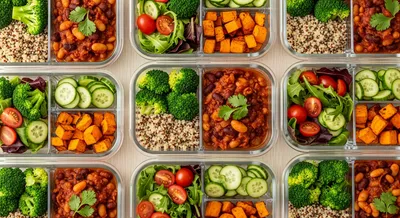
Tip: if you're making this for meal prep, slightly undercook the pasta (30 seconds before al dente) so it doesn't go mushy when reheated.
Related Recipes Worth Trying
Once you have this in your rotation, these pair well with it:
- [Creamy Mushroom Stroganoff](/article/creamy-mushroom-stroganoff) — same comfort-food energy, mushroom base, no dairy needed
- [One-Pot Lentil Soup](/article/one-pot-lentil-soup-family-sized) — when you want something that feeds a crowd and takes even less active work
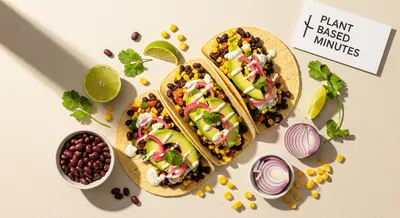
- [10-Minute Black Bean Tacos](/article/10-minute-black-bean-tacos) — my other go-to when 20 minutes sounds like too much
- [Vegan Mac and Cheese That Hits Different](/article/vegan-mac-and-cheese-that-hits-different) — if you want the full comfort-food treatment
The Point
People overcomplicate vegan pasta. Cashew cream is delicious, but it requires soaking, blending, and cleanup that adds 30 minutes to any recipe. Tahini gives you 90% of the result with 10% of the effort.
Six ingredients. Twenty minutes. A bowl of creamy pasta that doesn't ask anything of you except showing up.
Make it tonight.