Every time someone tells me they tried plant-based eating and it "didn't work," I ask the same question: what did you actually have in your kitchen?
Nine times out of ten, the answer reveals the problem. Not enough variety. Missing the pantry staples that make everything taste good. No quick-protein options for when hunger hits unexpectedly.
This list fixes that. It's everything I keep stocked to make plant-based eating effortless — organized by category, with notes on what each item actually does for you.
Key Takeaway
A beginner plant-based grocery list should cover five categories every week: canned legumes, a whole grain, a frozen vegetable, a plant milk, and a nut or seed butter. With these five categories stocked, you can make a complete, nutritious meal from the pantry any night of the week.
The Pantry Tier: Buy These First
These are non-perishables and long-shelf-life items. Stock these once and most of them last months.
Canned Proteins
- Chickpeas (4+ cans) — versatile, high-protein, use in salads, [curries](/article/15-minute-chickpea-curry), roasting, or mashing. ~$1/can.
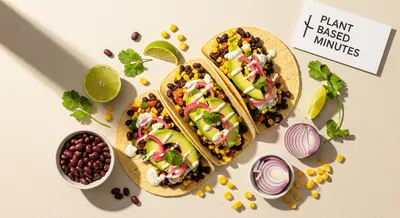
- Black beans (4+ cans) — perfect for tacos, bowls, and soups. One of the most filling foods per dollar.
- Kidney beans (2+ cans) — great in chili, stews, and pasta dishes.
- Lentils (4+ cans, or 1 lb dry) — the best value protein in the grocery store. Red lentils for soup; green or black for salads.
Grains
- Rolled oats (large container) — breakfast is solved for weeks. [Overnight oats](/article/3-ingredient-overnight-oats), oatmeal, baked goods.
- Brown rice (2 lb bag) — the base for countless meals. Batch-cook it.
- Quinoa (1 lb bag) — complete protein, higher than most grains. Use as a rice substitute.
- Whole grain pasta (2 boxes) — fast dinners. Real food.
- Whole grain bread (1 loaf) — quick protein delivery when paired with nut butter.
Flavor Builders (These Are Essential)
- Nutritional yeast — cheesy, nutty, protein-rich. Go on pasta, popcorn, scrambled tofu, everything.
- Tahini — sesame seed paste. Stir into dressings, drizzle over bowls, mix into sauces.
- Soy sauce or tamari — umami depth for stir-fries, marinades, sauces.
- Olive oil — don't buy cheap olive oil. It matters.
- Apple cider vinegar — brightens any dish. A splash changes everything.
- Dijon mustard — underrated pantry staple for dressings and sauces.
Spices (The Non-Negotiable Six)
- Cumin
- Smoked paprika
- Garlic powder
- Turmeric
- Coriander
- Chili flakes
With these six spices, you can flavor any legume-based dish, any grain bowl, and most vegetable preparations. They're cheap. Fresh spice matters — buy from bulk sections if you can and replace annually.
Nut Butters
- Peanut butter — protein, fat, great for oatmeal and smoothies and sauces.
- Almond butter — slightly more nutrients than peanut butter. Either is fine.
The Fridge Tier: Weekly Staples
These are fresh items to restock weekly or bi-weekly.
Produce
- Baby spinach or mixed greens — goes in everything: smoothies, salads, pasta, stir-fries.
- Bananas — breakfast protein boost, smoothie base, best portable snack.
- Avocados (3-4) — healthy fat, filling. On toast, in bowls, on tacos.
- Sweet potatoes (2-3) — roast them, mash them, cube them for bowls. Incredibly satisfying.
- Bell peppers (2-3, mixed colors) — raw in salads, roasted in stir-fries.
- Cherry tomatoes — the easiest salad component. No chopping required.
- Broccoli — the workhorse vegetable. Stir-fries, sheet pan meals, side dishes.
- Garlic bulb — fresh garlic makes everything better. There is no substitute.
- Lemons (4-5) — acid finisher for almost every dish. Never skip the lemon.
Refrigerated Proteins
- Extra-firm tofu (1-2 blocks) — the most versatile plant protein. Sear it, bake it, scramble it.
- Edamame (frozen bag) — boil in 5 minutes, highest protein snack per calorie.
- [Tempeh](/article/how-to-cook-tempeh) (1 block) — fermented soy, higher in protein than tofu, earthy flavor. Great for stir-fries and grain bowls.
Dairy Alternatives
- Plant milk (1-2 cartons) — oat milk is the closest to dairy in cooking. Almond is the lightest. Use in oats, smoothies, baking.
- Coconut milk (canned, 2-3 cans) — for curries and creamy sauces. Full-fat, not "light."
- Plant-based yogurt — breakfast, smoothies, as a sour cream substitute.
The Freezer Tier: Your Safety Net
These last months and save you when the fridge is empty.
- Frozen edamame (large bag)
- Frozen berries (mixed)
- Frozen broccoli or stir-fry vegetables
- Frozen corn
- Frozen spinach — different from fresh. Better for cooking down into soups and sauces.
The freezer is the most underused tool in plant-based eating. A freezer with edamame, berries, and vegetables means you're never more than 10 minutes from a nutritious meal.
Budget Tips That Actually Work
Buy canned, not fresh, for legumes. Dried beans are even cheaper, but canned removes the 8-hour soak requirement. For most people, canned is the right call.
Shop the bulk section for grains and spices. Most grocery stores have bulk bins where you can buy exactly what you need. Cheaper per ounce, fresher product.
Frozen vegetables are nutritionally identical to fresh. Often picked at peak ripeness and frozen immediately, they may actually be more nutrient-dense than produce that's been sitting in a truck for a week. Don't be a snob about it.
Store brand is usually fine. For canned tomatoes, beans, broth, and grains, the difference between name brand and store brand is price. Buy the cheaper one.
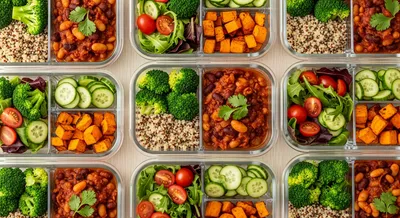
Meal prep saves money. [Batch cooking on Sunday](/article/3-bean-sunday-meal-prep) — rice, lentils, or roasted vegetables — means you're not buying expensive convenience food when you're tired and hungry on Wednesday.
A Realistic Weekly Total
If you shop this list, you'll spend somewhere between $60 and $80 for a full week of plant-based meals for one person. That includes breakfast, lunch, dinner, and snacks.
For reference: the average American spends over $150 per week on food, including eating out. Plant-based, cooked at home, is a fraction of that.
You're not paying more to eat better. You're paying less, and eating significantly more nutritious food in the process.
Start Here, Not Everywhere
If this list feels overwhelming, don't buy everything at once. Start with what I'd call the Essential Six pantry items: chickpeas, black beans, oats, brown rice, olive oil, and soy sauce. That alone gives you the backbone of dozens of meals.
Add fresh vegetables and a block of tofu, and you have a week's worth of eating covered.
The goal isn't a perfectly stocked pantry on day one. The goal is removing the friction — so when it's 6pm on a Tuesday and you're tired and hungry, you have everything you need to make something real.
That's what this list does.