If you train seriously, your relationship with food is different from most people's. Eating isn't just about preference or convenience — it's about performance, recovery, and making sure your body has what it needs to do what you're asking it to do.
I've been training plant-based for years. What I've learned is that the nutritional requirements of an athlete are completely achievable on a plant-based diet, and meal prep is what makes it practical week after week.
Key Takeaway
Plant-based athletes can meet a target of 1.6 to 2.2 grams of protein per kilogram of body weight by centering weekly meal prep on soy foods (tofu, tempeh, edamame), legumes, and whole grains. Batch cooking is what makes hitting these targets practical rather than aspirational.
The Athlete's Nutritional Priorities
Before getting into the prep, it's worth being clear about what matters most:
Protein: Active individuals need more protein than sedentary ones — generally 1.4 to 2.0 grams per kilogram of bodyweight per day for muscle repair and growth. For a 170-pound athlete, that's roughly 108-156 grams per day. This is achievable on plants, but it requires intentionality about food choices. If you need to answer questions from skeptics about plant protein, [how to handle the protein question](/article/how-to-handle-the-protein-question) covers the data concisely.
Carbohydrates: These fuel training. Don't be afraid of them. Complex carbohydrates — oats, brown rice, quinoa, sweet potatoes — provide sustained energy for workouts and replenish glycogen stores afterward.
Fats: Essential for hormone function and joint health. Sources like avocado, nuts, seeds, and olive oil should be consistent parts of your diet.
Iron, zinc, B12, vitamin D: Athletes may have higher requirements for some micronutrients. A whole-food plant-based diet covers most of these, but consider bloodwork every 6-12 months to confirm you're hitting your targets.
The Weekly Prep
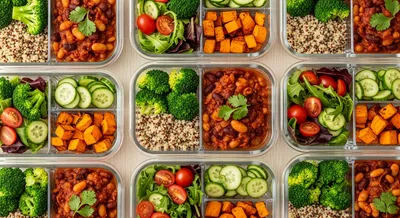
This prep is built for performance. It covers the full nutritional picture for a week of training.
Protein sources (prepare Sunday):
Baked tofu: Press 2 blocks of extra-firm tofu for 30 minutes. Cube, toss with soy sauce, rice vinegar, sesame oil, garlic powder. Bake at 400°F for 35 minutes, flipping halfway. Makes 8 servings. Per serving: 18g protein. For a full breakdown of five cooking methods, [how to cook tofu](/article/how-to-cook-tofu) covers everything from baking to scrambling.
Cooked lentils: Boil 2 cups dry green lentils in vegetable broth with bay leaf and garlic until tender, about 25 minutes. Season. Refrigerate. Makes 8 portions. Per ½ cup: 12g protein.
Grains (prepare Sunday):
Brown rice: 3 cups dry, cooked in broth for flavor. This makes the whole week's grain base.
Quinoa: 2 cups dry, cooked. Higher protein than rice — use it for post-workout meals when you want maximum protein density.
Vegetables (roast Sunday):
Three sheet pans: sweet potatoes and beets on one (longer roasting time), broccoli and Brussels sprouts on another, bell peppers and zucchini on the third. Season simply with olive oil, salt, and cumin. Roast at 425°F. This provides the bulk and micronutrients.
Pre-workout snack prep:
Blend a batch of overnight oat mix (oats + plant milk + chia seeds + banana). Portion into 5 jars. Add nut butter before eating. This is your pre-workout breakfast for the week.
How to Build Meals
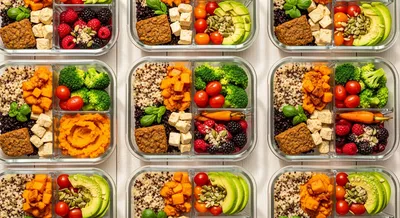
With all components prepped, building a meal takes 5 minutes.
Pre-workout: Overnight oat jar with almond butter and a banana. Approximately 550 calories, 18g protein, 75g carbohydrates.
Post-workout: Quinoa + baked tofu + roasted sweet potato + steamed edamame. Approximately 600 calories, 38g protein, 65g carbohydrates. This is the recovery meal — get it in within 45-60 minutes of finishing training.
Lunch: Brown rice + lentils + roasted vegetables + tahini dressing. About 500 calories, 25g protein.
Dinner: Roasted vegetables + tofu + larger grain serving for extra carbohydrates if training volume was high.
Hitting Your Protein Numbers
Across four meals and a couple of snacks ([hemp seeds](/article/hemp-seeds-the-protein-you-ve-been-ignoring) on salads, [edamame](/article/edamame-and-tempeh-protein-bowl) as a snack, a handful of pumpkin seeds), a day built from this prep can reach 130-150 grams of protein. That puts you comfortably in the athletic range.
The key is treating protein not as a single meal concern, but as something you distribute across every eating occasion in the day.
Recovery Is the Other Half
Food is one half of recovery. Sleep is the other, and it's the one athletes most often compromise. Everything you do in the kitchen is building material; sleep is when the building actually happens.
Get your nutrition in order. Then protect your sleep. That combination — for a plant-based athlete — is everything.