When you tell someone you eat plant-based, the first thing they say is: "But where do you get your protein?"
Every single time.
I've been answering this question for years. I've gotten better at it. Here's what I know: the question isn't actually about protein. It's about legitimacy. People are asking whether plant-based eating is a complete system — whether it's real nutrition or just a series of compromises. Protein is the shorthand for that concern.
So let me answer it properly.
Key Takeaway
When someone asks where you get your protein, answer with specific numbers: a cup of lentils has 18 grams, a cup of black beans has 15 grams, a block of tofu has over 30 grams, and three tablespoons of hemp seeds have 10 grams. Concrete data is more persuasive than any explanation.
The Actual Protein Numbers
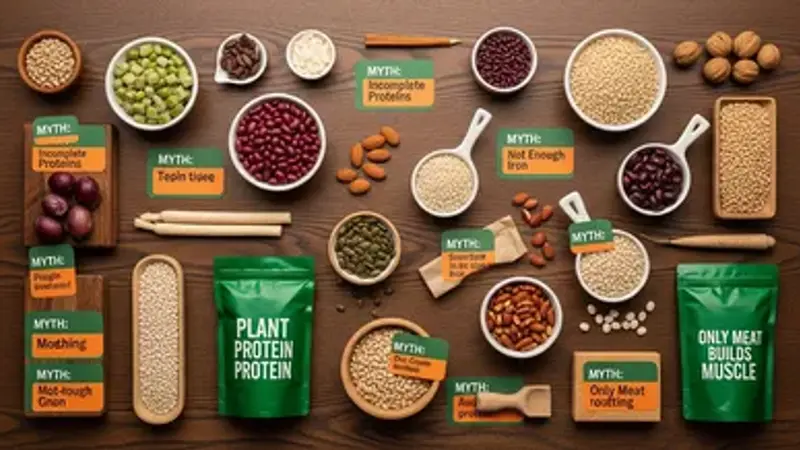
First, let's clear up the biology. The recommended dietary allowance for protein is 0.8 grams per kilogram of body weight for sedentary adults. For a 70kg (155 lb) person, that's 56 grams per day. For active people and athletes, the recommendation goes up to 1.2–2.0g per kilogram — so 84-140g for that same 70kg person.
Now, is it possible to get that from plants? Comfortably, yes.
Here's what one day of whole-food plant-based eating looks like in terms of protein:
- Breakfast: 1 cup rolled oats (10g) + 3 tbsp hemp seeds (10g) + 2 tbsp peanut butter (7g) = 27g
- Lunch: 1 cup cooked lentils (18g) + 1/2 cup brown rice (3g) + large salad with vegetables (3g) = 24g
- Dinner: 1 cup black beans (15g) + 1/2 block tofu (20g) + roasted vegetables (3g) = 38g
- Snack: 1 oz almonds (6g) = 6g
Total: 95g protein in a day that didn't require any planning or specialty products.
That covers even fairly active adults. And this is a conservative estimate — plant foods like edamame, tempeh, seitan, and nutritional yeast — like the [edamame and tempeh protein bowl](/article/edamame-and-tempeh-protein-bowl) — can push that number significantly higher.
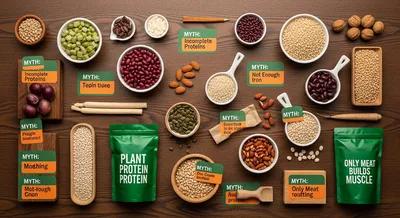
The Complete Protein Myth
You've probably heard that plant proteins are "incomplete" — meaning they don't contain all nine essential amino acids. This is technically true of most individual plant foods, with a few exceptions (soy, quinoa, [hemp seeds](/article/hemp-seeds-the-protein-you-ve-been-ignoring), and buckwheat are complete proteins).
But here's what the "incomplete protein" argument misses: you don't need to get all essential amino acids from a single food. You need to get them across your day. And if you eat a varied plant-based diet — grains, legumes, vegetables, nuts, and seeds throughout the day — you will get all essential amino acids without any effort or planning.
The old advice to "combine proteins" at each meal (rice and beans together, for example) has been debunked. Your body maintains a pool of amino acids and draws from it throughout the day. Eat varied foods across your day and you're fine.
The one exception worth noting: lysine is the limiting amino acid in many plant proteins. Legumes (beans, lentils, chickpeas) are the best plant source of lysine. If you're eating legumes regularly — which you should be, for protein and fiber — you don't need to think about this.
The Bioavailability Argument
Some people push back with: "Yes, but plant protein is less bioavailable than animal protein."
This is partially true. Animal protein is generally more bioavailable than plant protein — your body absorbs and uses a higher percentage of it. But the difference is smaller than often claimed, and it's offset by eating a bit more total protein.
Specifically: if animal protein has roughly 90-95% digestibility and plant protein averages around 70-85% (depending on the source and preparation), the practical difference is that you need to eat maybe 10-20% more total protein to hit the same absorbed amount.
Given that a well-planned plant-based diet easily clears the protein targets above, this is not a meaningful constraint for most people.
Cooking, soaking, and fermenting legumes increases their bioavailability — which is why traditional food systems like dal, miso, tempeh, and fermented soy products are so nutritionally efficient.
The Best Plant Protein Sources
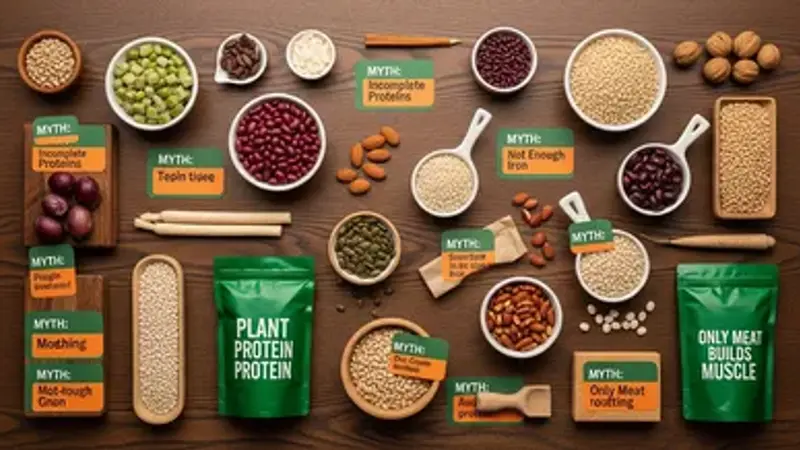
Not all plant proteins are equal. Here's what actually delivers protein at meaningful quantities:
[Tempeh](/article/how-to-cook-tempeh) — 31g of protein per cup. Fermented soy, which also improves bioavailability. Has a firm, nutty texture. This is the highest-protein whole plant food, gram for gram.
Edamame — 17g per cup. Young soybeans, conveniently pre-shelled and available frozen. One of the few plant complete proteins. Easiest protein to add to any bowl or salad.
Lentils — 18g per cup cooked. Fastest-cooking legume. Red lentils take 20 minutes and no soaking. Extraordinarily cheap.
Black beans, chickpeas, kidney beans — 14-15g per cup. The foundation of plant-based cooking. Canned is perfectly fine.
Tofu (firm) — 20g per half-block. Neutral flavor, absorbs whatever you cook it in. Extremely versatile.
Hemp seeds — 10g per 3 tablespoons. Complete protein. Tiny, neutral flavor, add to anything. The best calorie-to-protein ratio for a seed.
Nutritional yeast — 8g per 2 tablespoons. Also complete. Adds cheesy flavor. Sprinkle it on everything.
Seitan (wheat gluten) — 25g per 3 oz. The highest-protein option in the plant kingdom, but made from wheat protein, so not suitable for gluten-free diets.
What About Gym Gains
For people who are serious about muscle building, plant-based protein works — the [plant-based athlete meal prep guide](/article/plant-based-athlete-meal-prep) has the practical approach. The research is clear on this.
A 2020 meta-analysis in the British Journal of Nutrition found no significant difference in lean mass gains between omnivore and plant-based diets when total protein intake was equated. A 2021 study in Sports Medicine found similar results.
The practical constraints for plant-based athletes:
- You need to eat more volume to hit protein targets
- You likely need to be more intentional about high-protein foods (tempeh, tofu, edamame, legumes at every meal)
- Leucine — the amino acid most important for muscle protein synthesis — is lower in most plant proteins, so some research suggests bumping protein targets slightly higher (1.6-2.0g per kg)
If you're a competitive athlete, a plant-based sports dietitian is worth talking to. For everyone else — including people doing regular gym training — a whole-food plant-based diet with legumes and soy at multiple meals handles it.
How to Answer the Question
So when someone asks "where do you get your protein?" you have options.
The short answer: "Beans, lentils, tofu, nuts. It's actually pretty easy to hit protein targets on plants."
The longer answer involves the data above, but most people asking the question aren't actually looking for a lecture — they're expressing a concern. The most effective response is usually: acknowledge the concern is reasonable, give one or two concrete examples, and move on. No one needs the full biochemistry.
What you don't need to do: get defensive. The question comes from genuine confusion, not bad faith. They've heard the same myths you've heard. Be useful.
The Honest Bottom Line
Protein is not the challenge of plant-based eating. It's also not the point. The point is building a sustainable way of eating that's nutritionally complete, practically easy to maintain, and personally satisfying.
Protein is handled. The rest is flavor.